
With thanks to Conner Lewis from the Society
The Year Augusta National Almost Didn’t Come Back
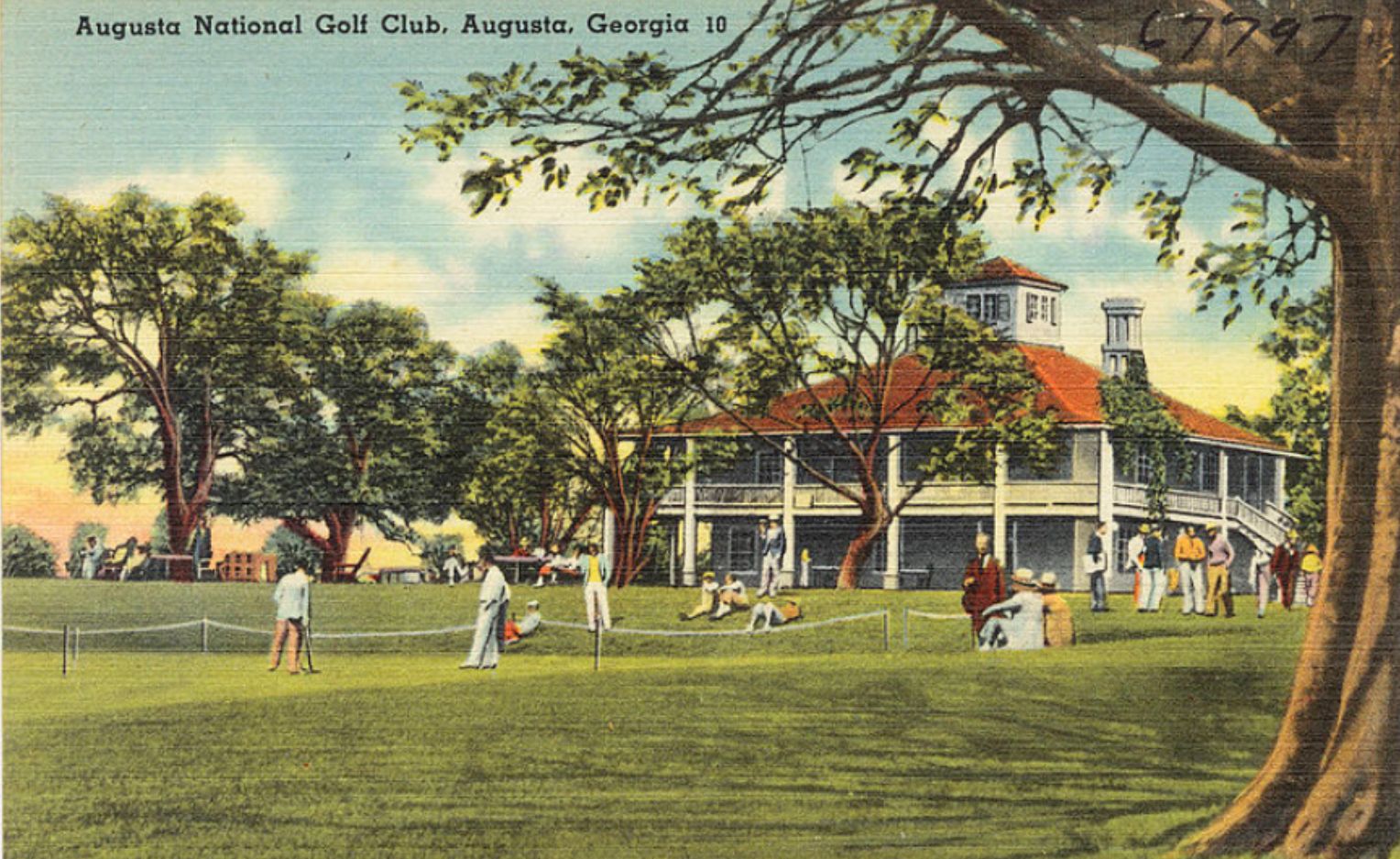
When people talk about the Masters, continuity is part of the magic. Same place. Same rituals. Same April rhythm.
But there was a moment—quiet, unpublicized, and genuinely uncertain—when the Masters Tournament may never have returned at all.
1943–1945: Augusta Goes Dark
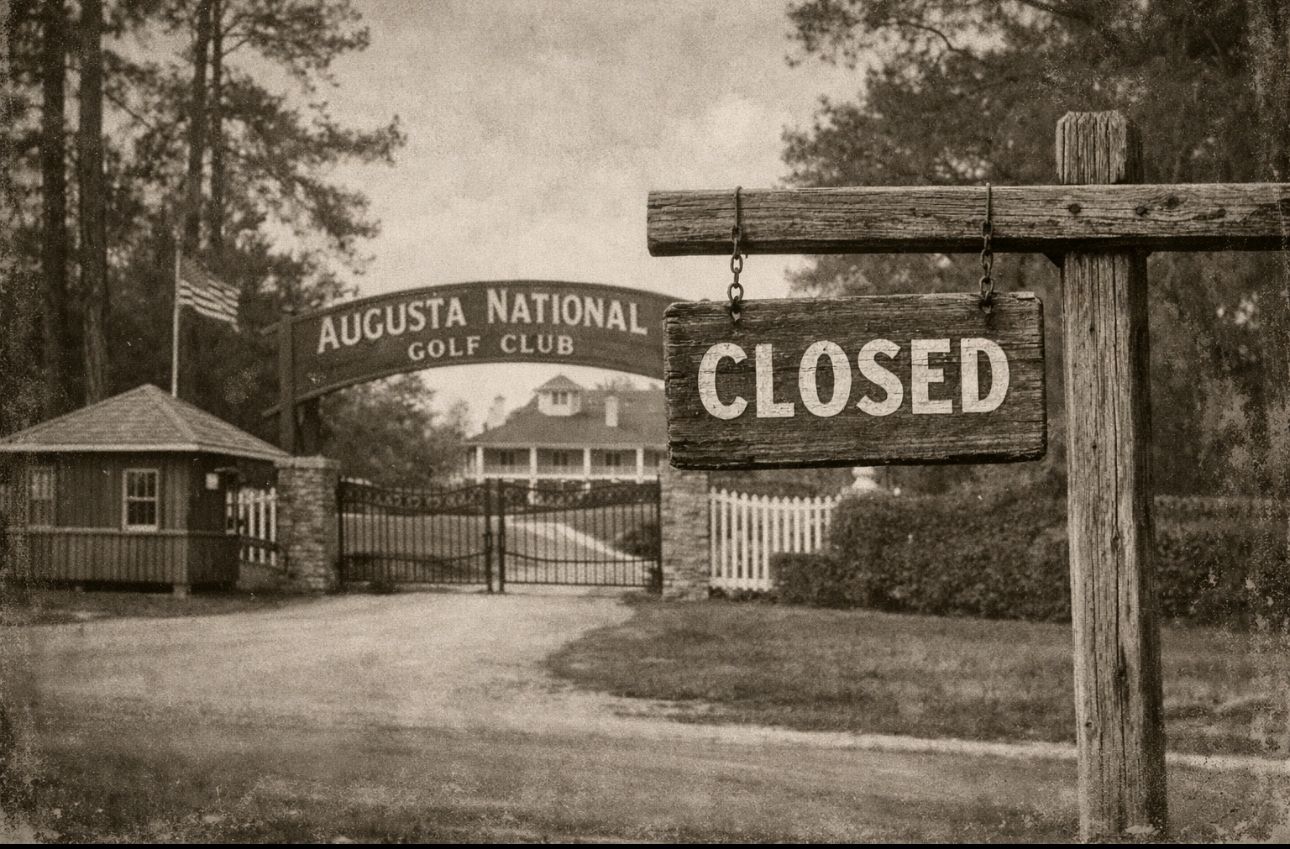
Artist rendering of ANGC closed
During World War II, Augusta National did something almost unimaginable today:
it shut down completely.
The club closed its gates. No Masters. No member play. No maintenance crews in the way we imagine them now.
The club sold livestock—most notably the cows that once grazed the fairways—to fund the war effort.
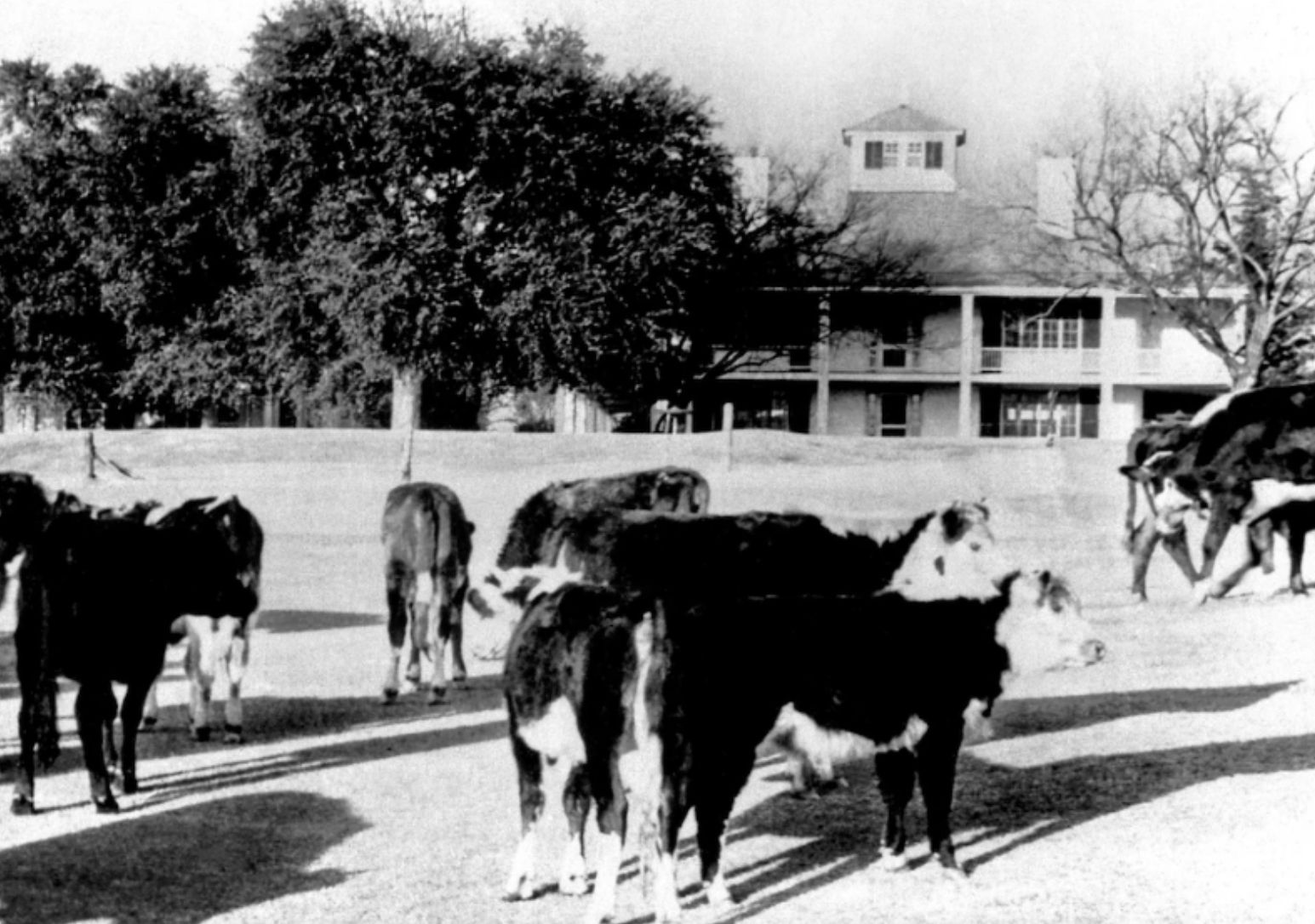
Cattle on ANGC Grounds
And here’s the key part most people don’t know:
There was real doubt whether Augusta National would ever reopen as a golf club.
The Quiet Fight to Restore Augusta
By 1945, the land was scarred. Irrigation systems were compromised. Greens were compacted. Fairways were torn up. Some areas were simply… gone.
Bobby Jones was back from his service in the war and Clifford Roberts was worried about finances. There was no guarantee the Masters still mattered in a post-war world.
Yet Roberts made a deliberate—and risky—decision:
Instead of modernizing, expanding, or redesigning, Augusta would be restored backward.
The goal wasn’t improvement.
It was memory.
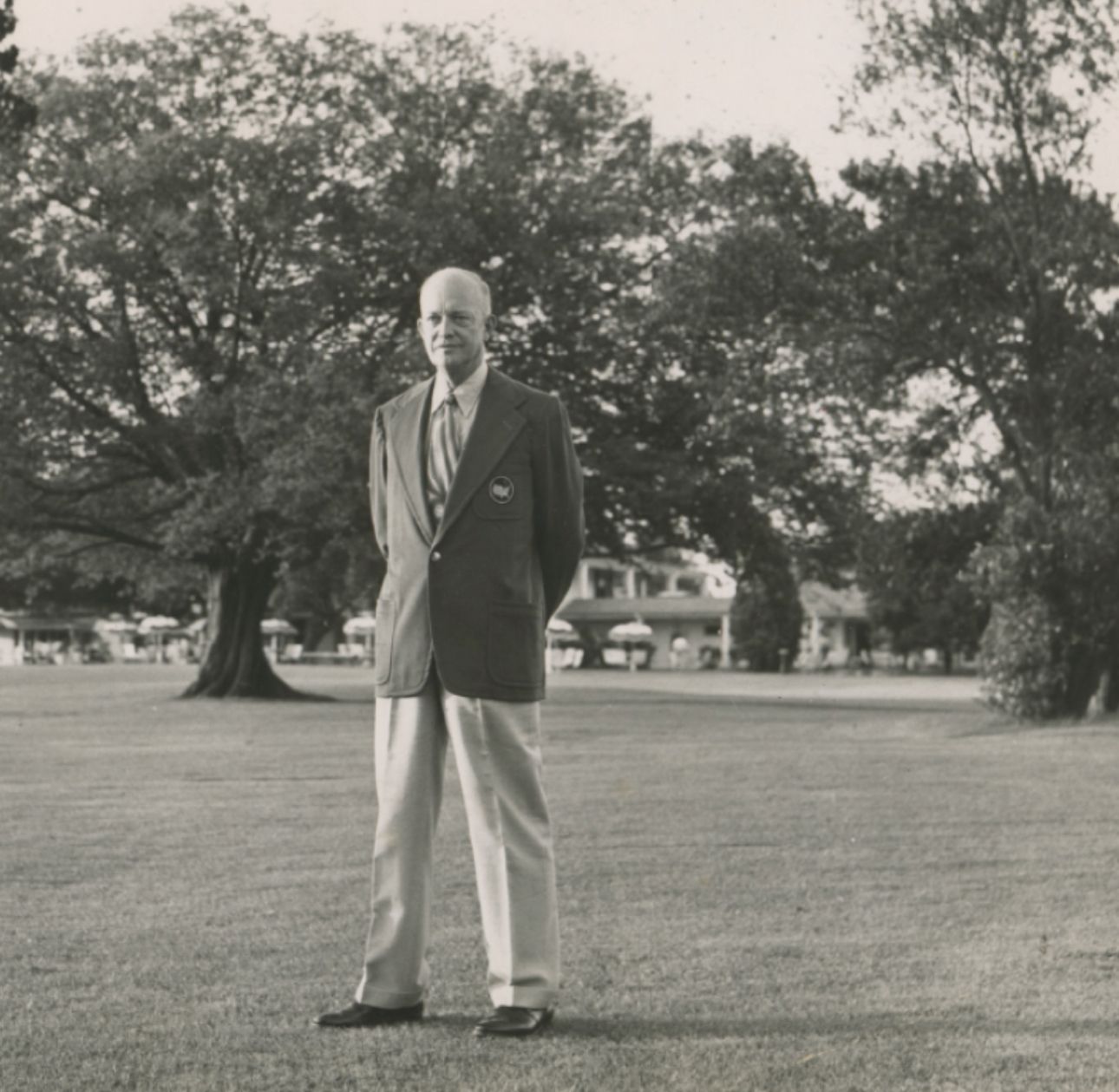
Eisenhower posing at ANGC
Greens were rebuilt to feel—not just measure—like they had before the war. With money tight to non-existent Augusta National leaned into their relationship with General Dwight D Eisenhower who conscripted 42 German POWs being held at nearby Fort Gordon (back then Camp Gordon) to help revive the course from life support. As chance would have it many of the POWs working at Augusta National served as engineers under Rommel in North Africa – it was their expertise that built the first bridge over Rae’s Creek near the 13th tee box.
When the Masters returned in 1946, the club didn’t advertise the resurrection.
There was no grand announcement.
No “we’re back” campaign.
The gates simply opened.
And Herman Keiser won.
Why This Matters
Every Masters since has been built on an assumption of permanence.
But Augusta’s most defining act wasn’t creating tradition—it was choosing preservation over progress at the moment when starting fresh would have been easier.
The Masters doesn’t feel timeless because it never changed.
It feels timeless because it almost disappeared—and survived by remembering exactly what it was.